Offline AI security decisions with local context
A private-site security workflow needed to interpret camera activity using site-specific context while keeping video and sensitive records inside the local environment.
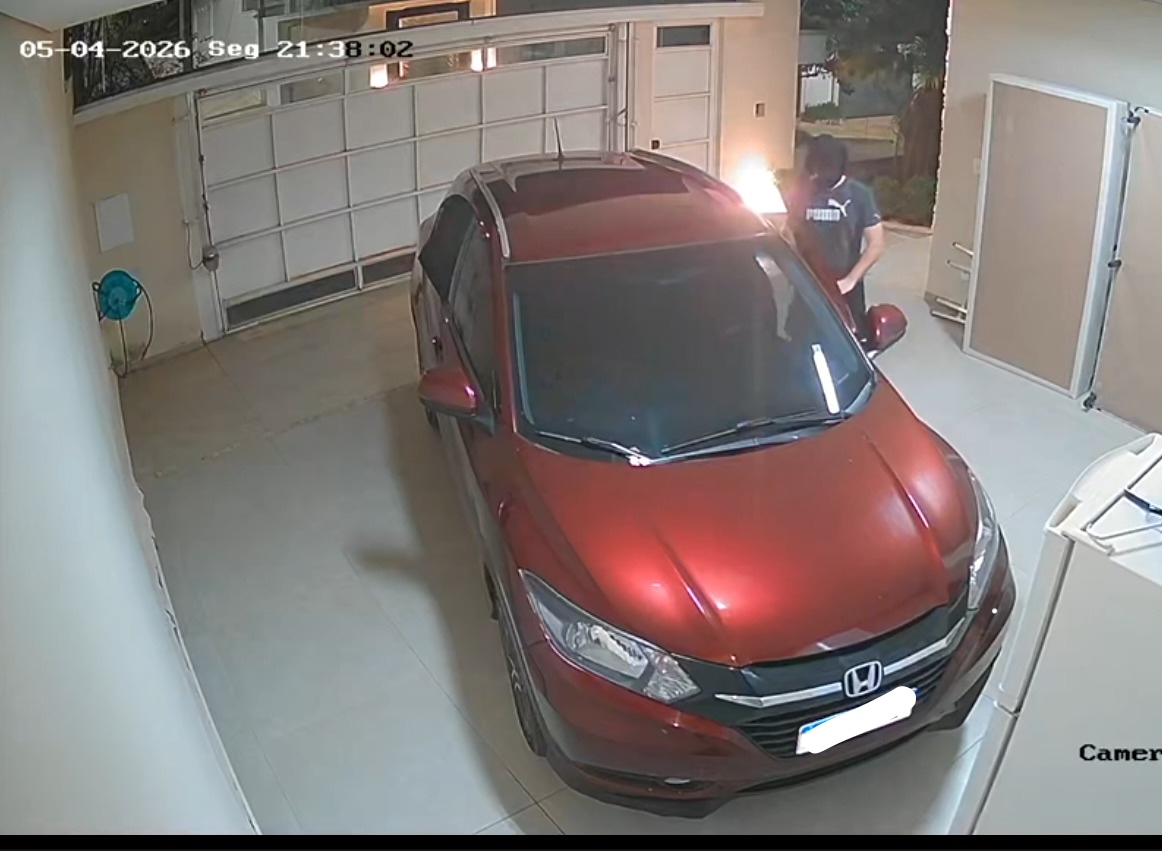
Public frame from the deployment. Identifying details in the image and examples are hidden or changed for privacy.
The problem
Conventional motion alerts lack context. The workflow needed to evaluate combinations of signals - including people, vehicles, identity status, location, and locally stored site information - before choosing the configured alert level.
Deployment boundary
Vision, retrieval, model reasoning, and alert decisions run locally.
Constraints
What LetuxTech built
- 1
Local vision
Computer vision extracts relevant signals from the camera event.
- 2
Private retrieval
A local RAG layer retrieves approved context such as known vehicles and resident information.
- 3
On-premise decision
A local model evaluates the scene and retrieved context, then returns the configured alert decision.
Documented validation
The implementation documentation includes two private-garage scenarios. In the first, the vehicle matched local records while the person's identity was obscured. In the second, both the vehicle context and identity signal were inconsistent. The configured workflow returned a red alert in both scenarios instead of treating a known vehicle as sufficient evidence of safety.
In the documented configuration, camera inputs and retrieved context were processed locally. The two controlled scenarios returned the configured red-alert response.
Evidence boundary
- -No public accuracy, latency, uptime, or false-positive benchmark is available.
- -The repository does not establish incident-prevention impact or return on investment.
- -The published token-volume example is an illustrative calculation, not measured production savings.
- -Results depend on camera coverage, hardware, detection quality, context freshness, model behavior, and alert rules.